Evaluating the 52 KDP Interiors Bundle for Low-Content Publishing
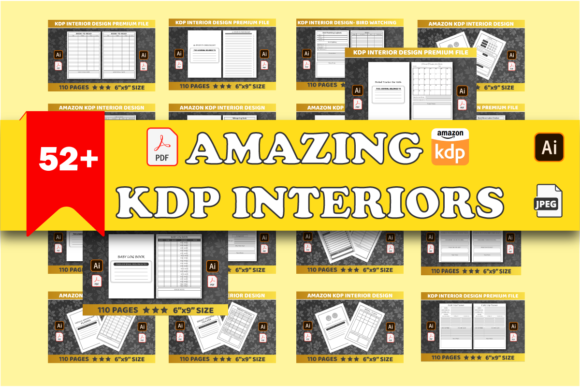
For self-publishers operating within the Amazon Kindle Direct Publishing (KDP) ecosystem, efficiency and niche diversity are critical components of a sustainable business model. The 52 KDP Interiors Bundle presents a comprehensive solution designed to address these needs by providing a wide array of pre-formatted templates. Rather than creating individual interiors from scratch, this bundle offers a consolidated library of functional logbooks, trackers, and planners. Understanding the specific attributes, applications, and limitations of this product is essential for publishers determining whether it aligns with their current production workflow and long-term catalog strategy.
Product Specifications and Technical Compatibility
Before integrating any digital asset into a publishing workflow, verifying technical specifications is necessary to ensure compatibility with KDP’s printing standards. The 52 KDP Interiors Bundle is engineered with specific parameters that cater to standard low-content book requirements.
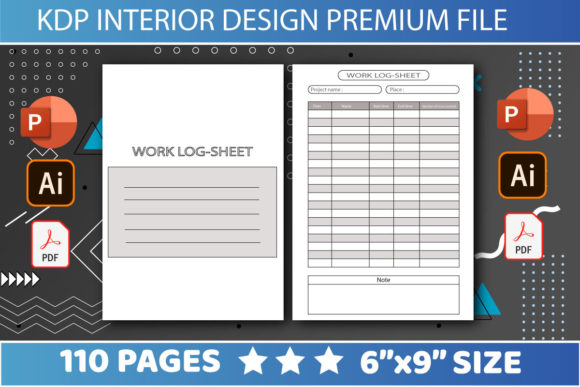
- Dimensions: The primary format is 6″ x 9″ inches, which is the industry standard for trade paperbacks, journals, and logbooks. However, the inclusion of editable source files allows for resizing to accommodate other trim sizes if needed.
- Page Count: Each template contains 110 pages, providing substantial content for end-users while remaining within cost-effective printing tiers.
- Bleed Settings: The files are configured with "No Bleed" settings. This is a crucial distinction for publishers, as it ensures that all content remains safely within the printable margin area, reducing the risk of rejection during the KDP upload review process.
- File Formats: The bundle includes PDF, AI (Adobe Illustrator), and PPT (PowerPoint) files. This multi-format approach supports users with varying levels of design software proficiency.
The availability of AI and PPT files alongside ready-to-upload PDFs significantly impacts the utility of the bundle. While the PDFs allow for immediate publication, the editable source files enable customization, which is often necessary for differentiation in saturated markets.
Scope of Content and Niche Coverage
A primary value proposition of the 52 KDP Interiors Bundle is the breadth of niches covered. Diversification helps mitigate risk by preventing reliance on a single category. The bundle includes specialized interiors that move beyond generic lined notebooks, targeting specific user intents and activities. Key examples included in this collection are:
- Health and Wellness: Mood Tracker, Medical Appointment Tracker, Temperature Tracker, and Walking Journal.
- Family and Caregiving: Baby Feeding Tracker.
- Organization and Planning: Travel Planner, Travel List Planner, Wedding Planner, and Group Project Planner.
- Professional and Creative: Content Planner.
In addition to these ten highlighted titles, the bundle contains over 30 additional KDP interiors. This volume allows publishers to test multiple micro-niches simultaneously without the upfront time investment of designing each interior individually. For publishers focused on functional books that help users keep track of activities and follow-ups, this variety provides a foundational library for rapid market testing.
Strategic Benefits for KDP Publishers
The decision to acquire a bundle rather than individual templates typically stems from a need for operational efficiency. The 52 KDP Interiors Bundle offers several practical advantages for business-focused publishers.
Accelerated Production Workflow
Designing a high-quality, functional interior from scratch can take several hours per title. With 52 pre-designed templates, the production phase shifts from creation to curation and minor customization. This reduction in development time allows publishers to focus more resources on keyword research, cover design, and marketing strategies, which are often higher-leverage activities for sales generation.
Cost Efficiency Per Asset
When evaluated on a per-unit basis, bundles generally offer significant savings compared to purchasing individual interiors. For publishers building a large catalog, this lower cost basis improves potential profit margins or frees up budget for advertising. The ability to easily edit the files further extends the return on investment, as a single template can be adapted into multiple variations.
Functional Utility for End Users
The interiors included are designed with specific utility in mind. Features like the record logbook format ensure that the end-user remains organized and prepared. Whether tracking medical data or planning a wedding, the structured layouts provide immediate value, which can lead to better reviews and organic visibility on Amazon.
Considerations and Tradeoffs
While the bundle offers convenience, objective evaluation requires acknowledging potential downsides. Publishers must weigh these factors against their specific business goals.
Market Saturation and Differentiation
Bundles are accessible to many publishers. Consequently, popular niches like mood trackers or travel planners may see increased competition using identical base interiors. Relying solely on the provided PDFs without modification can result in duplicate content issues or poor conversion rates due to lack of uniqueness. Utilizing the editable AI or PPT files to alter fonts, add unique graphics, or restructure layouts is often necessary to create a distinct product.
Software Requirements
To fully leverage the editability features, users may need access to Adobe Illustrator or Microsoft PowerPoint. While PDFs are universally accessible, publishers lacking design software will be limited to the stock configurations. Those without editing capabilities should assess whether the existing templates meet their quality standards before purchasing.
Quality Consistency
In large bundles, the quality of individual templates can sometimes vary. Publishers should review all 52 interiors to identify which ones meet professional standards and which may require significant rework. Not every template may be suitable for immediate publication.
Determining Fit: When to Choose This Bundle
The 52 KDP Interiors Bundle is not a universal solution but serves specific publisher profiles effectively.
Ideal Use Cases
- New Publishers: Those needing to populate a store quickly to understand the KDP platform mechanics without getting bogged down in design.
- Catalog Expanders: Established publishers looking to enter adjacent niches (e.g., a journal publisher moving into medical tracking) with minimal risk.
- Customizers: Designers who want a structural base to speed up their creative process rather than starting with a blank canvas.
When Alternatives May Be Better
- Premium Niche Specialists: Publishers targeting high-ticket or highly specific professional audiences may require bespoke, custom-designed interiors to justify higher price points.
- Non-Editable Workflows: Users who cannot edit source files and require exclusive rights to avoid duplication should consider hiring a freelance designer or purchasing exclusive licenses.
- Single-Niche Focus: If a publisher only intends to create wedding planners, buying a comprehensive 52-item bundle may be less cost-effective than purchasing a dedicated, premium wedding planner kit.
Final Decision-Making Insights
Selecting the right assets for a KDP business involves balancing speed, cost, and uniqueness. The 52 KDP Interiors Bundle functions best as a productivity tool and a foundation for experimentation. Its strength lies in the sheer volume of functional templates and the flexibility offered by multiple file formats. However, success with this product depends largely on the publisher's willingness to customize and validate market demand for each specific niche.
Publishers should view this bundle as a starting point rather than a finished product line. By leveraging the editable nature of the AI and PPT files, users can transform these standard templates into unique offerings that serve specific customer needs. Ultimately, the value of the bundle is realized not just in the acquisition of 52 files, but in the strategic application of those files to build a diverse, organized, and responsive publishing portfolio.