Mastering KDP Interiors: A Comprehensive Guide to Creating a 6x9 Baby Eating Log Book
In the rapidly expanding world of self-publishing, low-content books have emerged as a powerful avenue for creators to provide tangible value to specific niches. Among these, the Baby Eating Log Book stands out as a perennial bestseller. New parents are constantly seeking organized, reliable methods to track their infant’s nutrition, allergies, and feeding schedules. For publishers and designers using Amazon Kindle Direct Publishing (KDP), understanding the technical and practical nuances of creating this specific interior is essential for success.
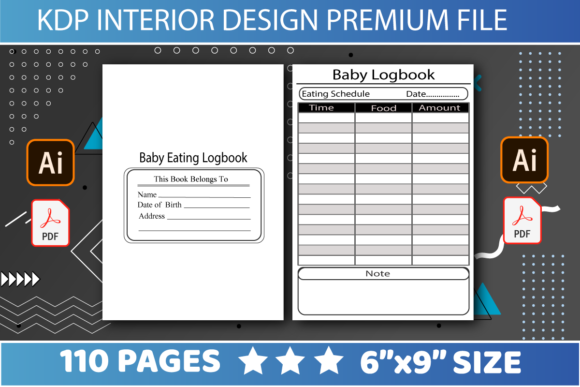
This guide explores the creation of a professional-grade Baby Eating Log Book interior, specifically focusing on the industry-standard specifications: 6″ x 9″ dimensions, 110 pages, 3 distinct settings, no bleed formatting, and editable PDF/AI file formats. Whether you are a seasoned publisher or a beginner looking to enter the parenting niche, understanding these elements will help you create a product that is not only compliant with KDP standards but also genuinely helpful to your end users.
The Purpose and Significance of Baby Eating Logs
Before diving into technical specifications, it is vital to understand why this product exists. A baby eating log is more than just a notebook; it is a health tool. Pediatricians often recommend tracking food intake during the introduction of solids (typically around six months) to identify potential allergens, monitor nutritional balance, and establish healthy eating routines.
In modern parenting, data-driven decision-making has become commonplace. Parents use these logs to:
- Identify Allergies: Tracking reactions to specific foods helps isolate triggers.
- Monitor Growth: Correlating intake with weight gain and developmental milestones.
- Communicate with Caregivers: Providing nannies or daycare providers with clear dietary instructions.
- Establish Routine: Helping infants transition from milk to solids through consistent scheduling.
By creating a high-quality interior, you are directly supporting these critical parental tasks. This aligns with Google’s E-E-A-T principles (Experience, Expertise, Authoritativeness, and Trustworthiness), as your book serves a functional, expert-backed purpose rather than being mere filler content.
Understanding the 6″ x 9″ Trim Size
The choice of 6″ x 9″ inches is strategic. In the KDP ecosystem, this trim size is considered the "gold standard" for journals and logbooks. It strikes a perfect balance between portability and usability. A smaller size, such as 5x8, may feel too cramped for writing detailed meal notes, while a larger 8.5x11 format can be cumbersome for a parent carrying a diaper bag.
From a manufacturing perspective, 6x9 is cost-effective and widely supported by KDP’s printing options. It allows for ample margin space, ensuring that when the book is bound, the user’s handwriting does not get lost in the gutter. When designing your interior, always account for this safe zone. With 110 pages, this trim size provides enough volume for several months of tracking without making the spine too thick or the book too heavy for daily handling.
Decoding the "3 Settings" Layout Strategy
A common point of confusion for new designers is the concept of "3 Settings" within a log book interior. In the context of a Baby Eating Log, this does not refer to printer settings, but rather to three distinct functional sections or tracking variations included within the 110-page count. Variety prevents user fatigue and increases the perceived value of the book.
An effective 3-setting structure might include:
- Daily Meal Tracker: A standard grid for breakfast, lunch, dinner, and snacks, including columns for time, food item, quantity, and reaction notes.
- Allergy & Symptom Log: A specialized setting focused solely on adverse reactions, detailing the onset time, severity, and treatment administered.
- Weekly/Monthly Summary: A broader view allowing parents to review patterns, note new foods introduced, and plan future meals.
Incorporating these three distinct settings ensures the book addresses multiple facets of infant nutrition. It transforms a simple diary into a comprehensive health journal. When marketing your book, explicitly mentioning these varied tracking options can significantly improve conversion rates, as buyers look for versatility.
The Importance of "No Bleed" Formatting
Technical compliance is where many KDP submissions fail. The specification "No Bleed" is critical for log books. Bleed refers to printing that extends beyond the edge of the page before trimming. While necessary for full-color picture books, it is generally unnecessary and risky for structured log books.
Selecting "No Bleed" means all content, including borders, lines, and text, must remain within the safe margins defined by KDP. For a 6x9 no-bleed book, your design canvas remains 6x9, but you must keep vital elements at least 0.375 inches from the outer edges and adjust the inner gutter based on page count.
Why choose No Bleed?
- Safety: Eliminates the risk of crucial writing lines being trimmed off during production.
- Simplicity: Reduces file complexity and potential upload errors.
- User Experience: Ensures a clean, professional border that frames the writing area neatly.
Always double-check your PDF export settings to ensure no elements inadvertently cross the bleed line, as KDP’s automated review system will reject files that do not strictly adhere to the selected bleed preference.
Leveraging Editable PDF and AI Files
One of the most significant advantages of acquiring or creating interiors with PDF and AI (Adobe Illustrator) source files is the ability to customize. The requirement "You can Easily Edit" speaks to the longevity and adaptability of your publishing business.
A static PDF is fine for immediate upload, but an editable AI file is an asset. It allows you to:
- Rebrand: Change fonts, colors, or logos to match different series or seasonal themes.
- Update Content: Modify column headers or add new tracking fields based on customer feedback without redesigning from scratch.
- Create Variations: Quickly generate a "Toddler Edition" or "Breastfeeding Tracker" by adjusting the base template.
- Fix Errors: Correct typos or layout issues instantly without hiring a designer.
For beginners, having editable files lowers the barrier to entry. You do not need to be a graphic design expert to make meaningful improvements. Simply opening the file in Adobe Illustrator or compatible software like Affinity Designer allows for layer-based editing. This flexibility is crucial in a competitive market where differentiation is key.
Practical Relevance in Modern Self-Publishing
Creating a Baby Eating Log Book fits seamlessly into broader trends in digital entrepreneurship and passive income. However, success requires shifting focus from "quantity" to "quality." The days of uploading generic, unedited templates are fading. Amazon’s algorithms increasingly favor books that demonstrate genuine utility and positive user engagement.
By adhering to precise specifications like 6x9 dimensions, utilizing a thoughtful 3-setting layout, and ensuring technical accuracy with no-bleed formatting, you signal to both the platform and the customer that your product is professional. Furthermore, the ability to edit your source files ensures your catalog remains dynamic. You can respond to trends, such as the rising interest in baby-led weaning or organic nutrition, by updating your interiors swiftly.
Common Misunderstandings to Avoid
Even with the right files, publishers often stumble on assumptions. One common error is assuming 110 pages is a fixed rule rather than a guideline. While 110 pages is standard for this template, you should verify that this page count aligns with your specific paper type selection (white vs. cream) and cover finish. Another misconception is that "editable" means "resellable." Always check the licensing terms of any purchased template to ensure you have commercial rights to modify and publish the interior.
Additionally, some creators believe that more tracking fields are better. In reality, exhausted parents need simplicity. Overcrowded layouts lead to abandonment. The 3-setting approach works because it segments information logically rather than overwhelming the user on every single page.
Building a Broader Understanding
Ultimately, the Baby Eating Log Book is a case study in niche publishing excellence. It demonstrates how specific technical constraints (6x9, no bleed) intersect with human needs (tracking infant health). By mastering these specifications and utilizing editable resources effectively, you build a foundation that extends beyond a single product. You develop skills in layout design, market research, and technical compliance that are transferable to fitness journals, educational workbooks, and business planners.
Approach this project not just as a file upload, but as a solution provider. When you understand the why behind the dimensions and the how behind the formatting, you create products that stand the test of time. In the ever-evolving landscape of KDP, clarity, precision, and empathy for the end-user are the true metrics of success.