KDP Interiors Scale Verification Log: Design & Use Guide
Achieving professional print quality on Amazon KDP requires more than just a compelling cover; the interior architecture must be mathematically precise. The KDP Interiors Scale Verification Log serves as an essential quality control checkpoint for self-publishers and designers. Before uploading any manuscript, verifying that your trim size, margins, and bleed settings align with platform specifications prevents costly rejections and poor reader experiences. This verification process is not merely administrative—it is the foundation of a credible publishing business.
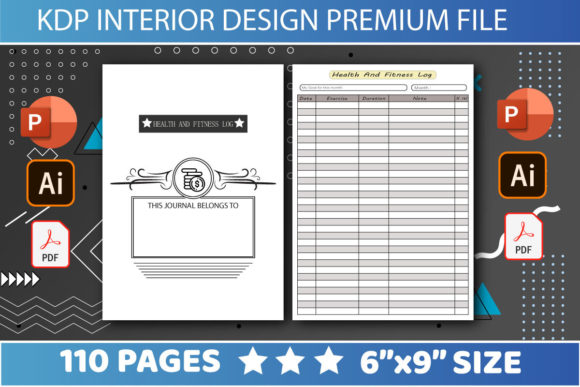
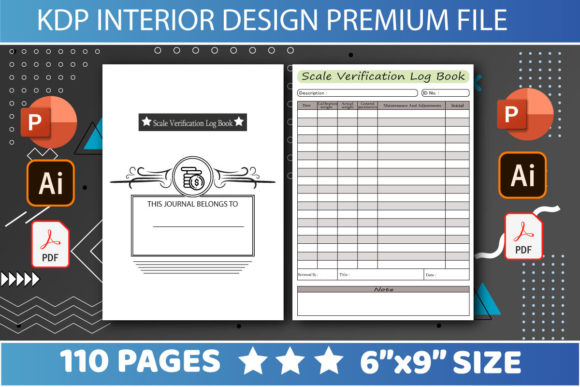
For creators using specialized templates like the De-Team 1 system, understanding the technical parameters is crucial. This specific log and template configuration features a standard 6″ x 9″ dimension across 110 pages with a strict no-bleed setting. These specifications are the industry sweet spot for journals, planners, and logbooks. By utilizing a pre-verified scale log, you eliminate guesswork. You ensure that every page sits perfectly within the safe zone, guaranteeing that text and functional elements never get trimmed during the binding process.
Technical Specifications and File Flexibility
The utility of a verification log extends beyond simple measurement. It acts as a master document for your project's technical health. The De-Team 1 product provides files in PDF, AI (Adobe Illustrator), and PPT formats. This multi-format approach is significant for creative professionals who work across different software ecosystems. A designer might prefer Adobe Illustrator for vector precision, while a virtual assistant or office manager may need to edit the log in PowerPoint for accessibility.
- PDF: Best for final proofing and direct upload to KDP without accidental edits.
- AI Files: Ideal for designers needing to adjust grid lines, add custom branding, or modify column widths with vector precision.
- PPT Files: Perfect for non-designers who need to quickly update headers, change fonts, or duplicate pages without learning complex design software.
This editability ensures the log remains a living tool rather than a static template. Whether you are creating a niche-specific tracker or a general business record, the ability to customize the source file means your KDP Interiors Scale Verification Log can evolve alongside your brand identity. Always verify the scale after making significant edits, as changing font sizes or margin guides can inadvertently shift content outside the printable area.
Functional Anatomy of an Effective Record Log
A well-designed log book bridges the gap between data entry and actionable insight. The structure of this 110-page record log includes specific columns designed to capture comprehensive activity tracking. When designing or verifying your own interiors, consider how each element serves the end-user. The inclusion of date, time, contact name, phone number, subject, follow-up action, initials, and a completion checkbox creates a complete workflow loop on a single page.
The "Follow-Up Action Required" column is particularly vital for productivity-focused publications. It transforms a passive list of contacts into an active task management system. For KDP creators, this distinction adds value. Buyers are not just purchasing paper; they are buying organization. The checkbox for completion provides immediate visual feedback, satisfying the psychological need for closure in busy work environments. When verifying your scale, ensure these columns have adequate width for handwriting. A common failure point in log book design is creating columns that look balanced digitally but are too narrow for legible penmanship.
Optimizing Layout for No-Bleed Printing
The "No Bleed" setting on this 6″ x 9″ format requires disciplined layout verification. Without bleed, all content must maintain a safe margin—typically at least 0.375 inches from the trim edge on the outside, and often more near the gutter (binding side). Your scale verification log should explicitly mark these boundaries. When reviewing the De-Team 1 template, check that the header and footer information does not encroach on this safety zone. Consistency is key; if page 1 has a top margin of 0.5 inches, page 110 must match exactly. Variations in margin alignment are immediately noticeable in physical books and can lead to negative reviews regarding production quality.
Creative Applications Across Industries
While the technical specs provide the skeleton, the application provides the soul. This log book format is versatile enough to serve diverse professional niches. Adapting the KDP Interiors Scale Verification Log for specific audiences increases its market relevance and practical utility.
Walk-In Advising Centers and Educational Support
In academic or career advising centers, tracking student interactions is mandatory for compliance and continuity of care. Advisors often see dozens of students daily. A standardized log ensures that no follow-up email or resource referral falls through the cracks. The "Initials" column provides accountability, while the "Subject" field allows for quick categorization during end-of-term reporting. Creators targeting this niche might adapt the template by adding a column for "Student ID" or "Referral Source," ensuring the scale verification accounts for this extra data point.
Call Centers and Sales Teams
High-volume communication environments demand speed and clarity. For sales teams or support desks, this log functions as a tangible backup to digital CRM systems. During outages or for quick notation before data entry, a physical log is indispensable. The phone number and time stamps allow managers to audit call frequency and response times. Entrepreneurs creating B2B products for this sector should emphasize the durability of the design and the efficiency of the layout in their marketing materials.
Small Business and Freelance Operations
Solopreneurs and freelancers often juggle multiple client communications across various platforms. A centralized physical log helps consolidate scattered notes into a coherent history. For a freelance graphic designer or consultant, tracking "Follow-Up Action" ensures invoices are sent, revisions are approved, and projects stay on schedule. This demographic values aesthetics as much as function; using the AI file to incorporate minimalist branding or motivational quotes in the margins can differentiate your product in a crowded marketplace.
Maintaining Quality and Organization Standards
Creating a KDP interior is an exercise in discipline. To keep results clear and effective, establish a personal verification protocol. Do not rely solely on the initial template settings. Print a test page at 100% scale on your home printer before approving a full proof. Measure the physical output against your digital guidelines. Does the binding gutter eat into the "Name" column? Is the "Checkbox" too small to mark comfortably? These tactile realities define user satisfaction.
Consistency builds trust. If you are publishing a series of log books, use the same scale verification standards across all volumes. Users who buy the 2024 edition will expect the 2025 edition to fit the same desk organizer and follow the same workflow logic. Document your margin settings, font choices, and column widths in a master style guide. This internal documentation streamlines future updates and reduces errors when scaling your publishing catalog.
Leveraging Editability for Niche Customization
The true power of the De-Team 1 editable files lies in adaptation. Generic logs sell moderately; niche-specific logs sell consistently. Use the PPT or AI files to tailor the column headers to specific industries. Change "Subject" to "Patient Symptom" for medical intake forms, or "Property Address" for real estate showing logs. Adjust the row height based on the expected volume of text per entry. Legal professionals may need more writing space than warehouse inventory managers.
Remember that customization must always circle back to scale verification. Every time you alter the template, you introduce potential formatting risks. Re-run your checks. Ensure that added graphics or modified tables do not push content into the non-printable area. By combining creative flexibility with rigorous technical validation, you produce interiors that are both beautiful and functionally flawless. This balance of artistry and engineering is what separates amateur uploads from professional publishing assets.
Ultimately, the KDP Interiors Scale Verification Log is more than a pre-publishing checklist; it is a commitment to quality. Whether you are organizing a bustling call center, supporting students, or managing your own freelance empire, the integrity of your tools matters. Utilize the provided formats to create something uniquely yours, but never compromise on the precision that makes printed products usable. When the dimensions are correct and the layout is thoughtful, the log book becomes a seamless extension of the user’s professional capability.