KDP Interiors Bakery Order Log Book Design
Creating a functional and aesthetically pleasing low-content book for Amazon KDP requires more than just lining up rows on a page. The KDP Interiors Bakery Order Log Book represents a specific niche where utility meets artisanal charm. For publishers, designers, and bakery owners looking to self-publish operational tools, this interior template offers a structured foundation that balances professional record-keeping with the warm, inviting personality typical of culinary businesses. Unlike generic logbooks, this layout is tailored specifically for the workflow of cake decorators, pastry chefs, and home bakers who need to track custom orders, ingredients, and delivery schedules without losing the creative spirit of their brand.
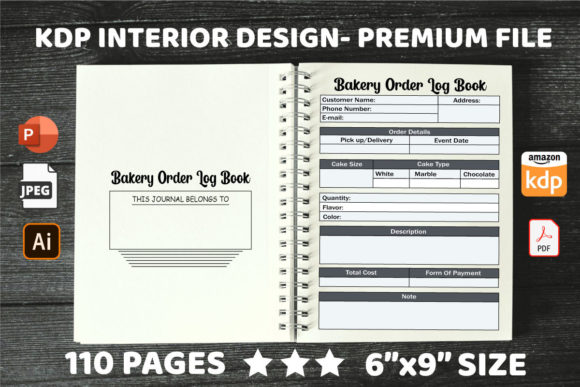
The visual characteristics of this interior are defined by clarity and thematic consistency. While many KDP interiors rely on stark, sterile tables, a high-quality bakery order log incorporates subtle design elements that reinforce the user's experience. The layout typically features dedicated sections for customer details, cake specifications, flavor profiles, allergen notes, and pricing. From a typography perspective, successful versions of this log often utilize a clean sans serif font for data entry fields to ensure maximum legibility during busy service hours, paired perhaps with a refined script font or display font for section headers to evoke a handmade, premium feel. This strategic use of typeface establishes a visual hierarchy that guides the eye naturally from order number to delivery date, reducing cognitive load for the baker.
Optimizing Layout for 6x9 Inch Functional Use
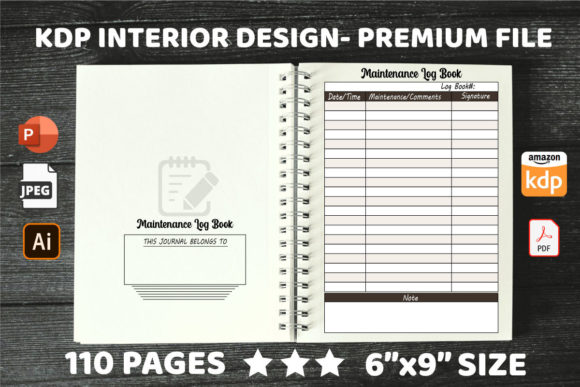
The 6″ x 9″ dimension is the industry standard for portable business logs, but it presents unique spatial challenges for bakery records. This trim size is compact enough to fit in an apron pocket or sit unobtrusively on a crowded prep table, yet it demands rigorous space management. With 110 pages providing ample capacity for months of orders, the interior design must maximize every square inch without feeling cluttered. The "no bleed" setting is crucial here; it ensures that all text and table lines remain safely within the printable area, preventing critical information like allergy warnings or deposit amounts from being trimmed during manufacturing.
When evaluating this interior for your publishing portfolio or personal business use, consider how the two-page spread functions as a single unit. In a 6x9 format, the gutter margin can easily consume valuable writing space. A well-designed KDP Interiors Bakery Order Log Book accounts for this by keeping binding-side margins generous while utilizing outer margins for quick-reference checkboxes or status indicators. This practical approach to editorial design transforms a simple notebook into a robust operational tool. For entrepreneurs selling these books, highlighting this ergonomic consideration in your listing description demonstrates E-E-A-T (Experience, Expertise, Authoritativeness, and Trustworthiness) by showing you understand the end-user’s physical environment.
Versatility Across Creative and Commercial Projects
While primarily designed for tracking sales, the applications for this interior extend far beyond basic commerce. Content creators and food bloggers often repurpose similar layouts as recipe development journals or catering planning guides. Marketers in the culinary space might use customized versions as branded lead magnets or value-add products for baking courses. The versatility lies in the template's adaptability. Because the structure focuses on universal data points—dates, descriptions, costs, and contacts—it serves as a flexible framework for various food-related niches.
For designers creating brand identity systems for bakeries, this logbook acts as a tangible touchpoint. When the interior typography aligns with the bakery’s external packaging design and web design, it reinforces brand recognition. Imagine a cupcake shop using a logbook where the header font matches their storefront signage and box stickers. This consistency elevates the perceived professionalism of the business. Even if you are using a pre-made template, understanding how to select or modify fonts to match a specific brand aesthetic is a valuable skill. A modern typography approach might suit a minimalist patisserie, while a rustic handwritten font could better serve a farmhouse-style bread maker.
Technical Flexibility: PDF, AI, and PPT Formats
One of the most significant advantages of this specific asset package is the inclusion of editable source files in AI (Adobe Illustrator), PPT (PowerPoint), and PDF formats. This multi-format availability addresses the diverse technical capabilities of the target audience. Professional designers will appreciate the vector-based AI file, which allows for precise manipulation of table lines, resizing of columns, and integration of custom logo design elements without pixelation. Vector editing ensures that no matter how much you adjust the layout, the print quality remains crisp at 300 DPI.
Conversely, the PowerPoint option democratizes design for non-professionals. Small business owners and hobbyists who lack Adobe Creative Cloud subscriptions can still customize the KDP Interiors Bakery Order Log Book effectively. PPT allows users to change placeholder text, adjust column widths, and swap colors using familiar tools. This accessibility is vital for creators who want to differentiate their product in a saturated market without outsourcing design work. The ready-to-print PDF serves as both a proofing tool and a final output option for those who prefer not to edit at all. Having all three formats ensures that the asset remains useful regardless of the user's software ecosystem or skill level.
- AI Files: Best for full customization, adding complex graphics, and ensuring professional print-ready vectors.
- PPT Files: Ideal for quick edits, text changes, and accessible customization without specialized software.
- PDF Files: Perfect for immediate upload, digital previewing, and verifying layout integrity before printing.
Evaluating Readability and Font Pairings
When customizing this logbook, readability must always take precedence over decoration. Bakery environments are often fast-paced, dimly lit, or flour-dusted. Fancy creative font choices that look beautiful on screen can become illegible when printed at small sizes or written over hastily. When testing font pairings, prioritize high x-heights and open counters for any text smaller than 10pt. Reserve ornate serif font or script styles strictly for large titles or decorative dividers. Always print a test page at actual size before finalizing your design; what looks spacious on a 27-inch monitor may feel cramped on a 6x9 page.
Furthermore, consider the commercial licensing implications of any fonts you introduce during editing. If you plan to sell the finished book or the template itself, verify that your chosen typefaces allow for commercial embedding and distribution. Using properly licensed commercial font families protects your business from legal issues and supports type designers. Many excellent open-source alternatives exist that offer professional quality without restrictive licenses. By combining thoughtful typographic choices with the structural flexibility of the provided AI and PPT files, you can create a bakery order log that is not only compliant and functional but also genuinely delightful for bakers to use daily.